Aeschylus
Αἰσχύλος
Aischýlos
 graeco-roman
 tragedies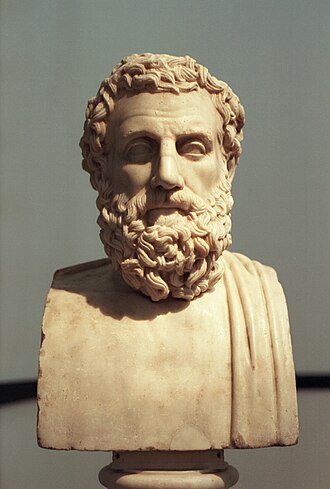
Aeschylus was an ancient Greek tragedian often described as the father of tragedy. Academic knowledge of the genre begins with his work, and understanding of earlier Greek tragedy is largely based on inferences made from reading his surviving plays. According to Aristotle, he expanded the number of characters in the theatre and allowed conflict among them. Formerly, characters interacted only with the chorus.Wikipedia →
Works
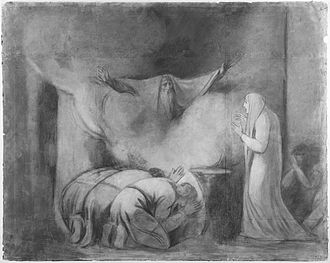
Πέρσαι
The Persians
Classical Attic Greek · 472 BCEDrama / Theatre / Plays
3 translations
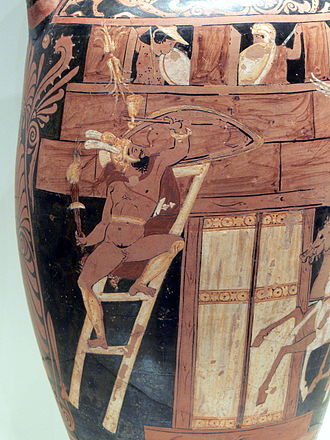
Ἑπτὰ ἐπὶ Θήβας
Seven Against Thebes
Classical Attic Greek · 467 BCEDrama / Theatre / Plays
4 translations
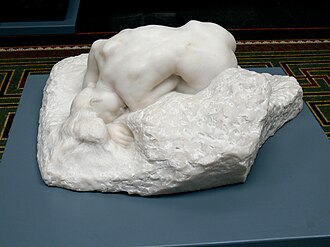
Ἱκέτιδες
The Suppliants
Classical Attic Greek · 463 BCEDrama / Theatre / Plays
5 translations
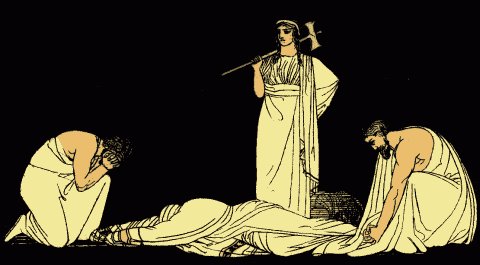
Ἀγαμέμνων
Agamemnon
Classical Attic Greek · 460 BCEDrama / Theatre / Plays
7 translations
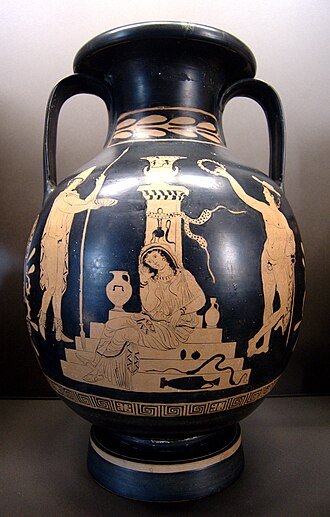
Χοηφόροι
The Libation Bearers
Classical Attic Greek · 459 BCEDrama / Theatre / Plays
3 translations
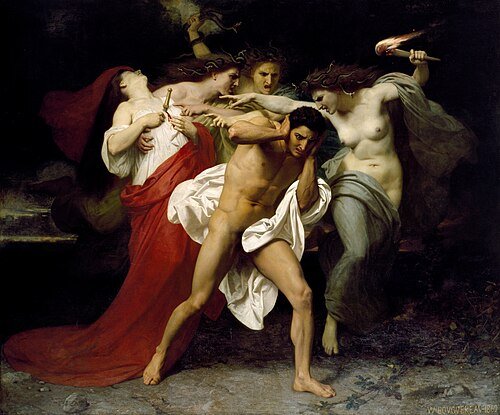
Εὐμενίδες
The Eumenides
Classical Attic Greek · 458 BCEDrama / Theatre / Plays
3 translations
Ὀρέστεια
Oresteia
Classical Attic Greek · 458 BCEDrama / Theatre / Plays
2 translations
αποσπάσματα (apospasmata)
Fragments
Classical Attic Greek · c. 456 BCDrama / Theatre / Plays
1 translation
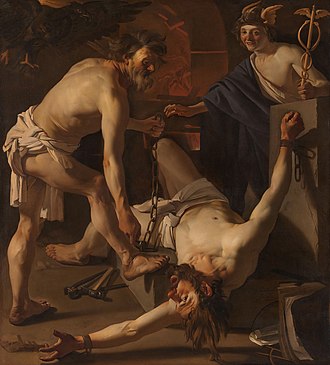
Προμηθεὺς Δεσμώτης
Prometheus Bound
Classical Attic Greek · 454 BCEDrama / Theatre / Plays
3 translations