Gottfried Wilhelm Leibniz
 early modern europe
 idealism
 rationalism
 philosophy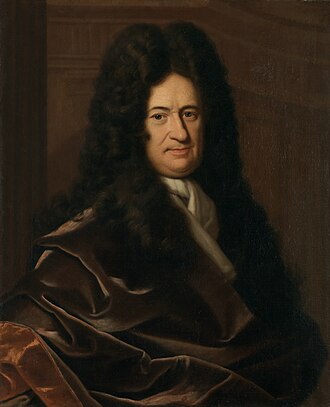
Gottfried Wilhelm Leibniz was a German polymath active as a mathematician, philosopher, scientist, and diplomat who is credited, alongside Isaac Newton, with the creation of calculus in addition to many other branches of mathematics, such as binary arithmetic and statistics. Leibniz has been called the "last universal genius" due to his vast expertise across fields, which became a rarity after his lifetime with the coming of the Industrial Revolution and the spread of specialized labour. He is a prominent figure in both the history of philosophy and the history of mathematics. He wrote works on philosophy, theology, ethics, politics, law, history, philology, games, music, and other studies. Leibniz also made major contributions to physics and technology, and anticipated notions that surfaced much later in probability theory, biology, medicine, geology, psychology, linguistics and computer science.Wikipedia →
Works

De arte combinatoria
Dissertion on the Art of Combinations
Neo-Latin · 1666Nonfiction / Essays / Treatise
1 translation
Meditationes de cognitione, veritate et ideis
Meditations on Knowledge, Truth, and Ideas
French · 1684Nonfiction / Essays / Treatise
1 translation

Nova Methodus pro Maximis et Minimis
New Method for Maxima and Minima
Neo-Latin · 1684Nonfiction / Essays / Treatise
1 translation
De geometria recondita et analysi indivisibilium atque infinitorum
On the Hidden Geometry and Analysis of Indivisibles and Infinites
Neo-Latin · 1686Nonfiction / Essays / Treatise
1 translation
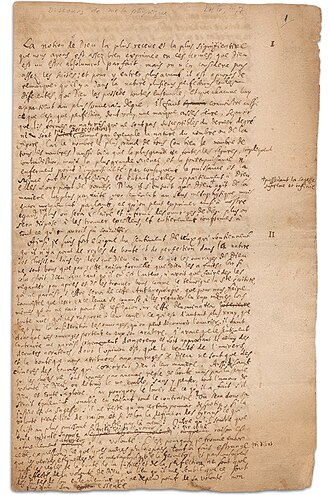
Discours de métaphysique
Discourse on Metaphysics
French · 1686Nonfiction / Essays / Treatise
3 translations
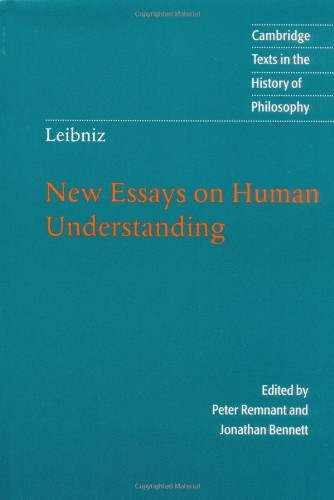
Nouveaux essais sur l'entendement humain
New Essays on Human Understanding
French · 1689Nonfiction / Essays / Treatise
2 translations
Dynamique
Dynamics
French · 1691Nonfiction / Essays / Treatise
1 translation
Lettre au le Marquis de l'Hôpital de Juin 1695
June 1695 Letter to the Marquis de l'Hospital
French · 1695Nonfiction / Essays / Treatise
1 translation
Système nouveau de la nature et de la communication des substances
New System of Nature
French · 1695Nonfiction / Essays / Treatise
1 translation
De Rerum Originatione
On the Ultimate Origin of Things
Neo-Latin · 1697Nonfiction / Essays / Treatise
2 translations
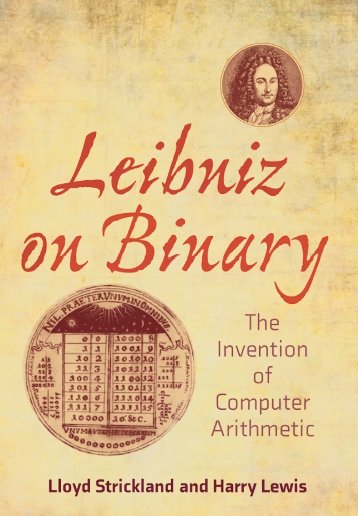
Explication de l'Arithmétique Binaire
Explanation of Binary Arithmetic
French · 1703Nonfiction / Essays / Treatise
1 translation
Brevis descriptio machinae arithmeticae, cum figura
Brief Description of an Arithmetical Machine, with Illustration
Neo-Latin · 1710Nonfiction / Essays / Treatise
2 translations
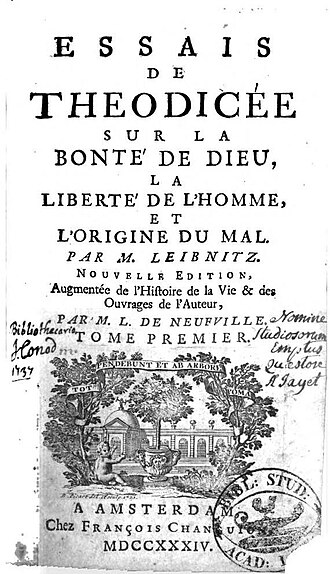
Essais de Théodicée sur la bonté de Dieu, la liberté de l'homme et l'origine du mal
Essays of Theodicy on the Goodness of God, the Freedom of Man and the Origin of Evil
French · 1710Nonfiction / Essays / Treatise
2 translations
Principes de la nature et de la grâce fondés en raison
Principles of Nature and Grace, Based on Reason
French · 1714Nonfiction / Essays / Treatise
2 translations
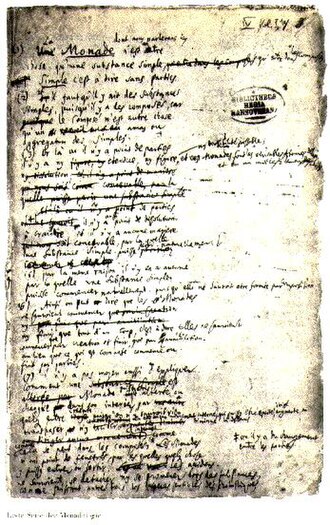
La Monadologie
The Monadology
French · 1720Nonfiction / Essays / Treatise
3 translations