Stefan Zweig
 jewish authors
 modern europe
 young writers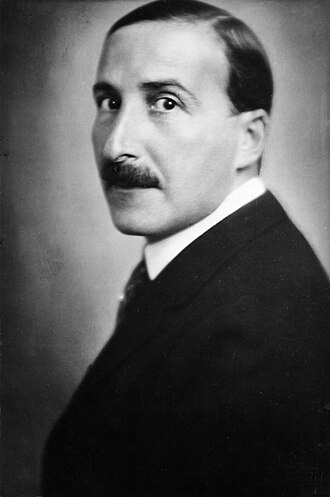
Stefan Zweig was an Austrian writer. At the height of his literary career in the 1920s and 1930s, he was one of the most widely translated and popular writers in the world.Wikipedia →
Works
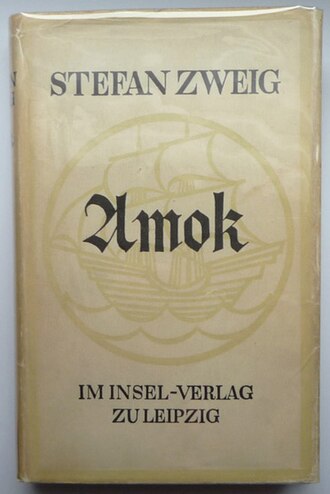
Amok: Novellen einer Leidenschaft
Amok: Novellas of a Passion
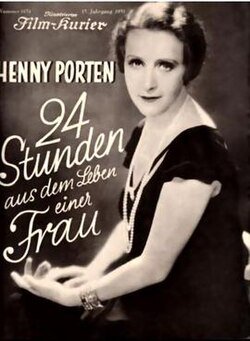
Vierundzwanzig Stunden aus dem Leben einer Frau
Twenty-Four Hours in the Life of a Woman
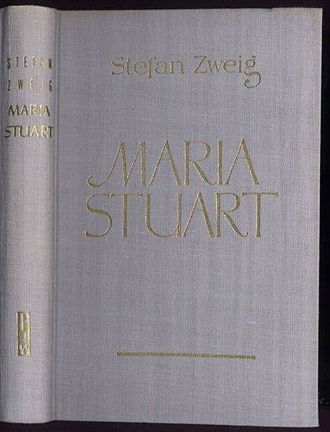
Maria Stuart
Mary, Queen of Scots
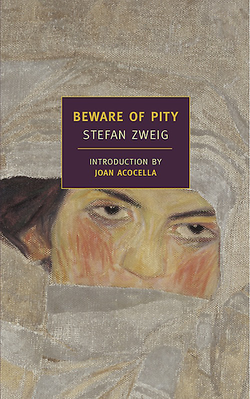
Ungeduld des Herzens
Beware of Pity
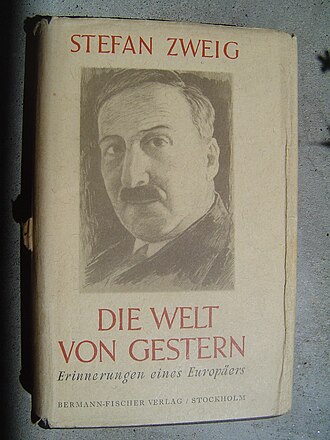
Die Welt von Gestern
The World of Yesterday
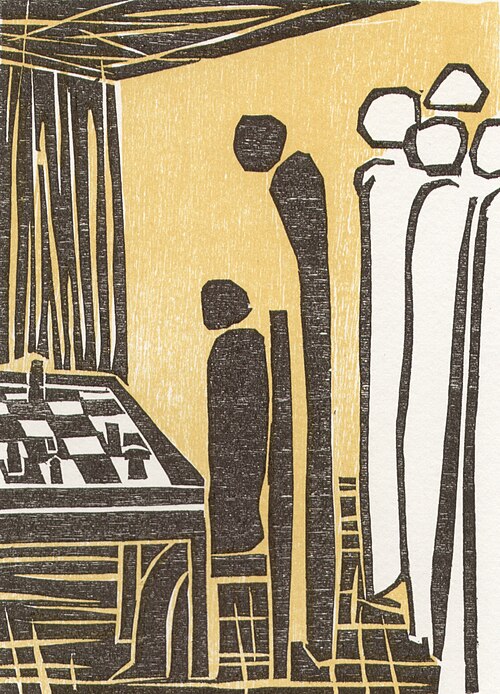
Schachnovelle
Chess Story
Short Works (5)
“Amok” [“Der Amokläufer”].Short Story.· 1922.
Amok is a novella by the Austrian author Stefan Zweig. First printed in the newspaper Neue Freie Presse in 1922, Amok appeared shortly afterwards in the collection of novellas Amok: Novellas of a Passion. As Zweig was fascinated and influenced by Sigmund Freud's work, Amok includes clear psychoanalytic elements. It deals with an extreme obsession, which leads the protagonist to sacrifice his professional and private life and, eventually, to commit suicide.
“Letter from an Unknown Woman” [“Der Brief einer Unbekannten”].· 1922.
Letter from an Unknown Woman is a novella by Austrian writer Stefan Zweig. The work first appeared in the 1 January 1922 issue of the Viennese Neuen Freien Presse, before being published in book form as part of the collection Amok: Novellen einer Leidenschaft. The novella tells the story of an author who, while reading a letter written by a woman he does not remember, gets glimpses into her life story. It is generally considered to be Zweig's most famous work of fiction.
“The Woman and the Landscape” [“Die Frau und die Landschaft”].Short Story.· 1922.
“Moonbeam Alley” [“Die Mondscheingasse”].Short Story.· 1922.
"Moonbeam Alley" is a short story by Austrian author Stefan Zweig, first published in 1922.
“Fantastic Night” [“Phantastische Nacht”].Short Story.· 1922.